
Brand Kickstarters – Tea Dropshipping
Tea dropshipping in 2026: what it is, what it pays, and how to build a brand that lasts.
Tea is the second most consumed beverage on earth — and one of the least-branded categories in e-commerce.
Tea dropshipping removes the inventory barrier that stops most founders before they start. But fulfilment is not the hard part. Building a brand that earns a premium price and keeps customers coming back is.
This guide covers both — and what Brand Sewa can build for you if you are ready to start.


The Tea Market: Why Right Now Is the Right Time
The global tea industry is one of the most resilient and fastest-growing wellness categories — worth over $300 billion and expanding every year.
Consumer interest in functional teas, single-origin blends, and premium wellness drinks is at an all-time high. The category rewards brand storytelling, which means a well-positioned, visually strong tea brand has a genuine edge over commodity sellers.
This is not a crowded market. It is an under-branded one. Most tea products online look and communicate the same. A brand built with real strategy and identity stands out immediately.
What is tea dropshipping?
Tea dropshipping explained — how the model works and why it suits wellness founders.
Tea dropshipping is an order fulfilment method where you sell tea products under your own brand without purchasing or storing inventory.
When a customer places an order on your Shopify store, your tea dropshipping supplier receives the order, packs it with your branded label, and ships it directly to your customer.
You never handle the product. You manage the brand, the store, and the customer relationship.
Step 1 — Customer places an order
A customer finds your tea brand online and purchases through your Shopify store. Payment is processed directly to you.
Step 2 — Order goes to your supplier
Your tea dropshipping supplier — in Brand Sewa’s case, Exoteas — receives the order automatically. No manual forwarding required.
Step 3 — Supplier packs and ships
Exoteas packs the order with your branded label and ships directly to your customer. 100+ countries covered.
Step 4 — You handle the relationship
Tracking information is sent to your customer. You manage any questions, reviews, or follow-ups. The brand relationship is entirely yours.
Is tea dropshipping profitable?
Tea dropshipping margins: what to expect and what determines where you land.
Gross margins on tea dropshipping typically range from 30% to 60%.
Premium and niche teas — organic green tea, herbal wellness blends, specialty oolongs — achieve the higher end of that range.
Where your margins actually land depends on four variables: your supplier cost, your branded retail price, your platform fees, and your customer acquisition cost.
The last variable is the one most founders underestimate. A tea dropshipping business with good margins and poor customer acquisition is not a profitable business.
Supplier cost per unit
White-label tea dropshipping via Exoteas gives you access to 100+ tea SKUs at wholesale price points that support a 3–5× retail markup on premium product ranges.
Your retail price position
Generic tea sells at generic prices. A branded tea — clear niche, clear identity, specific functional benefit — commands a premium. A functional sleep tea brand positioned at $18–$24 per 50g is not competing with supermarket tea bags. It is competing with melatonin supplements.
Platform and fulfilment fees
Shopify fees, payment processing (2–3%), and shipping costs per order need to be factored into your pricing before you go live not after. The financial model in the Tea Brand Blueprint Kit does this calculation for your specific product range.
Customer acquisition cost
Paid traffic costs money. The tea dropshipping businesses that run profitably at scale are the ones with a strong organic presence — SEO content, an email list, a social following built around the brand not just a Shopify store running Meta ads.
TEA DROPSHIPPING SUPPLIERS
What to look for in a tea dropshipping supplier — and how Exoteas compares.
Not all tea dropshipping suppliers are built for white-label brand growth.
The right supplier for a branded tea business is different from the right supplier for a general dropshipping operation. You need white-label labelling at low volumes, consistent product quality batch to batch, Shopify integration that automates order flow, and shipping coverage for your target market.
Five things to check in any tea dropshipping supplier:
White-label labelling at low or no MOQ
Generic dropshipping suppliers ship in their own packaging.
A branded tea business needs your label on every order from the first sale. Verify this before you sign up.Consistent batch quality
Tea flavour and quality varies by harvest, season, and storage.
A supplier that sources directly from established tea gardens
and quality-tests each batch is the infrastructure your brand runs on. A supplier that does not is a liability.Direct Shopify integration
Manual order forwarding is a bottleneck that breaks at volume.
A supplier with native Shopify integration automates the fulfilment flow from purchase to dispatch.Shipping coverage for your market
If you are selling to the US, UK, EU, or Canada, confirm the supplier ships there and confirm the delivery timelines
and customs handling for food products in each destination.Regulatory support
Your label must comply with the food labelling laws of your target market. A good tea dropshipping supplier can provide the ingredient and origin data you need to build a compliant label.
Exoteas — Brand Sewa's tea dropshipping partner
Exoteas is a white-label tea dropshipping supplier operating from India with a catalogue of 100+ teas — black, green, white, oolong, herbal, functional, and Darjeeling single-origin.
Exoteas is the fulfilment partner behind every Brand Sewa tea brand build including Salvation Tea (Canada), Rituæl Tea (Europe), and Terazi Life (US).
- No minimum order quantity
- White-label labelling from the first order
- Direct Shopify integration
- Shipping to 100+ countries
- Sourced directly from established tea gardens
- No upfront registration fee required for Brand Sewa clients
HOW TO START TEA DROPSHIPPING
How to start a tea dropshipping business in 2026 — the complete sequence.
Most tea dropshipping guides tell you to find a supplier, set up a Shopify store, and start running ads.
That sequence produces a store, not a brand. The difference matters because a store competes on price. A brand competes on identity, trust, and story.
Here is the correct sequence — the one that produces a tea brand with a real premium to defend.
Step 1 — Choose your tea niche
“Tea” is not a niche. Functional sleep teas, detox blends, single-origin Darjeeling, matcha wellness, adaptogen teas — these are niches.
The more specific your niche, the more clearly you can write product copy, the more precisely you can target buyers, and the higher the price you can hold.
How to validate: search your niche keyword on Google Trends, Amazon, and Etsy. Look for consistent search volume, a manageable number of well-reviewed competitors, and buyers willing to spend $15–$30 per unit.
Step 2 — Define your brand position
Before you design a logo or choose a label, answer three questions:
Who specifically is this for? What specific outcome does it deliver? Why would they trust this brand over any other?
A tea brand built around “tea lovers who want something nice” is invisible. A tea brand built for “busy professionals who want a caffeine-free wind-down ritual without melatonin” has a clear buyer, a clear message, and a clear price point.
Step 3 — Set up your tea dropshipping supplier
Register with a white-label tea dropshipping supplier that covers your target market.
For Brand Sewa clients, this is Exoteas — no MOQ, Shopify integration, 100+ white-label SKUs, global shipping.
Confirm the following before you go live: your label dimensions and artwork requirements, the ingredient and allergen data for each SKU you plan to sell, and the fulfilment timeline for your target market.
Step 4 — Build your brand identity
Name, logo, colour palette, typography, and label design.
Your visual identity is the first signal your brand sends to a buyer who has never heard of you. It communicates the quality, the price point, and the personality of the brand before they read a single word.
A generic label on a white bag sends a generic signal. A cohesive brand identity built around a specific positioning commands a premium from first impression.
Step 5 — Build and configure your Shopify store
Your Shopify store needs: product pages with SEO-optimised copy and accurate ingredient declarations, a multi-currency pricing setup if you are selling across markets, payment gateway configuration, international shipping rules by destination, and a published returns and refund policy.
The 87-item launch checklist in the Tea Brand Blueprint Kit covers every configuration item before you go live.
Step 6 — Set up compliance for your target market
Selling tea online involves food labelling laws specific to each market.
FDA (US): Ingredient declaration, net weight, country of origin, name and address of distributor. Health claims must be general wellness only — not drug or medical claims.
EU FIC (Europe): Ingredient list by weight, allergen highlighting, nutritional declaration (for most products), country of origin.
FSSAI (India): FSSAI licence number, ingredient list, manufacturing and expiry dates, net quantity.
Getting the label right before launch is significantly cheaper than correcting it after complaints.
Step 7 — Launch with a 90-day marketing plan
A Shopify store with no traffic earns nothing.
The tea dropshipping brands that grow are the ones that launch with a specific plan — which channels, which content types, which email sequences, which posting cadence — and execute it for 90 days before adjusting.
Without a plan, most founders run out of patience in week three and conclude that tea dropshipping does not work.
It works. Inconsistent, unplanned marketing does not.
TEA DROPSHIPPING NICHES
The tea subcategories with the highest demand and strongest margins right now.
Not all tea niches are equal. Some have high search volume and commoditised competition. Others have growing demand, clear buyers, and almost no branded competition.
These are the five highest-opportunity niches for a tea dropshipping business in 2026.
Functional wellness teas
Sleep teas, stress relief blends, immune support, and digestion teas — positioned around a specific health outcome, not a flavour.
The buyer is not a tea enthusiast. They are a wellness consumer looking for an alternative to supplements. Average order value: $18–$28 per unit. Repeat purchase rate: high. Competition: fragmented, mostly unbranded.
Single-origin specialty teas
Darjeeling first flush, Assam CTC, Japanese Gyokuro, Taiwanese High Mountain Oolong — teas with a documented origin story, a specific flavour profile, and a buyer who knows the difference.
This buyer is not price-sensitive. They pay a premium for provenance. Brand Sewa operates from Darjeeling — the birthplace of some of the world’s most sought-after single-origin teas.
Matcha and functional green teas
Over 87% of US millennials drink tea, and matcha is the fastest-growing subcategory among them. Ceremonial grade matcha,
matcha latte blends, and functional matcha with adaptogens or nootropics are a distinct, high-margin category.Adaptogen and herbal tea blends
Ashwagandha, tulsi, reishi, lion’s mane the adaptogen category is moving from supplements into tea. Buyers in this niche are already spending $20–$40 per month on adaptogens. An adaptogen tea brand that communicates ingredient quality and effect clearly competes with the supplement aisle, not the supermarket tea shelf.
Subscription tea boxes
Recurring revenue in tea dropshipping comes from subscriptions a curated selection of teas delivered monthly, positioned around education, discovery, or a specific wellness theme. Tea is a consumable with recurring consumption behaviour. Lovers of tea drink it daily and restock frequently, leading to excellent repeat business. Subscription boxes lock in that repeat behaviour.
Tea brands Brand Sewa has built
What this looks like when it works.
These are not representative outcomes. They are a record of specific brands built for specific markets.
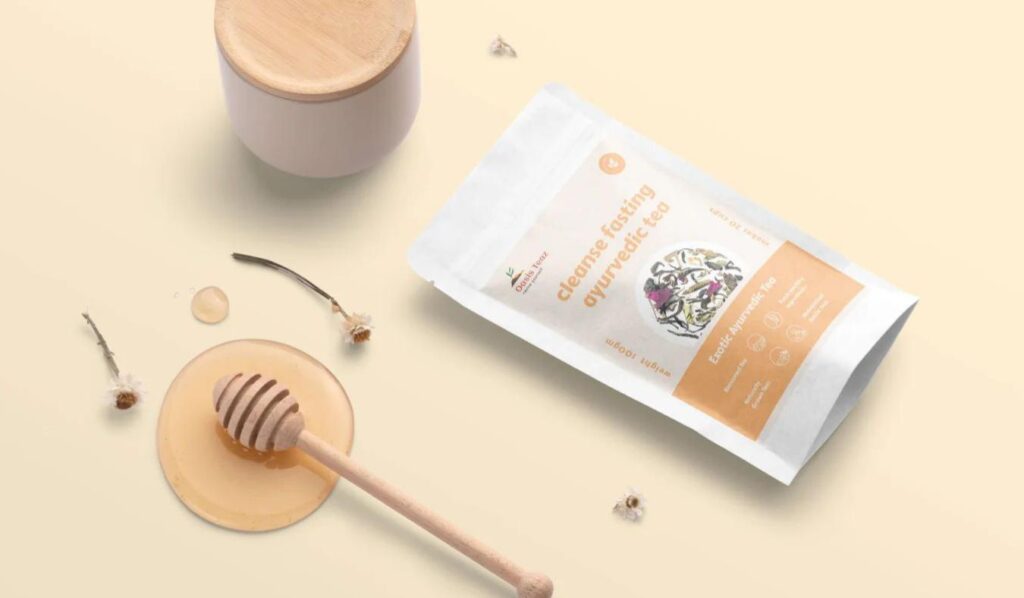
Salvation Tea — Canada
No brand, no digital presence, no supplier relationship. Brand Sewa built the D2C strategy, brand identity, Shopify store, and subscription model from scratch. Launched shipping to Canada, the US, and 100+ international markets from day one.
Read Case Study
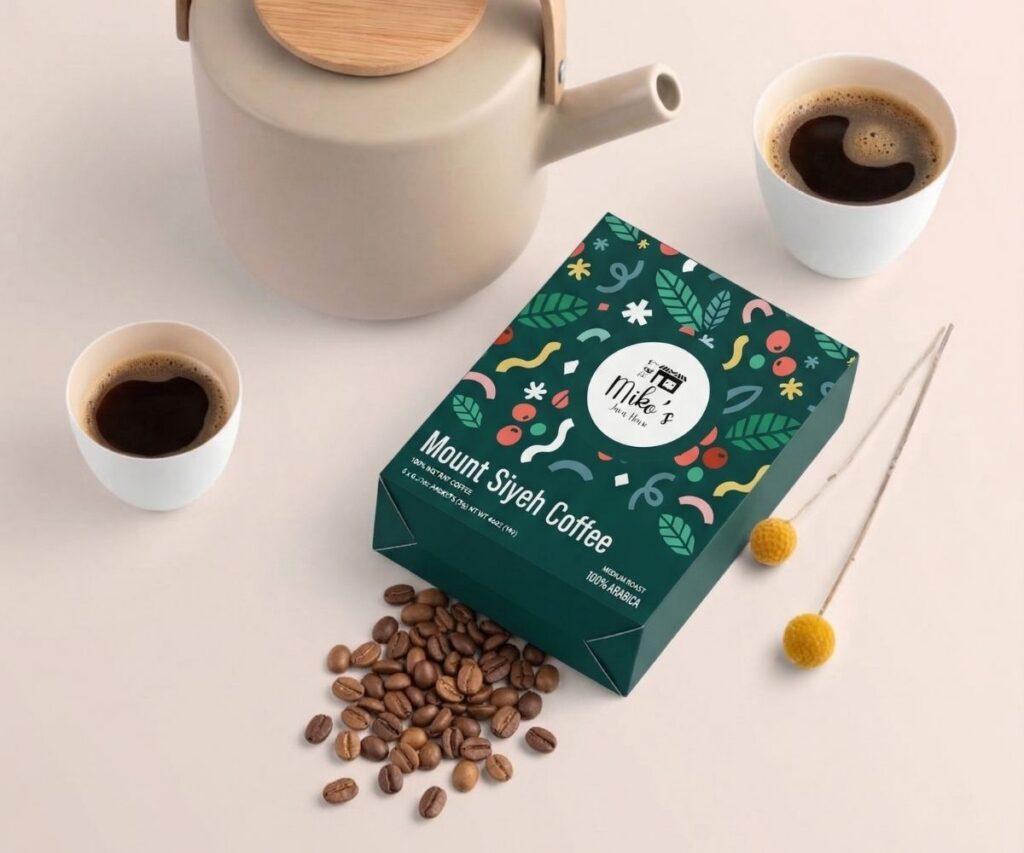
Rituæl Tea — Europe
A premium functional tea brand built for EU market entry. Covered brand positioning, EU FIC-compliant product setup, and a Shopify store structured for pan-European distribution.
Read Case Study
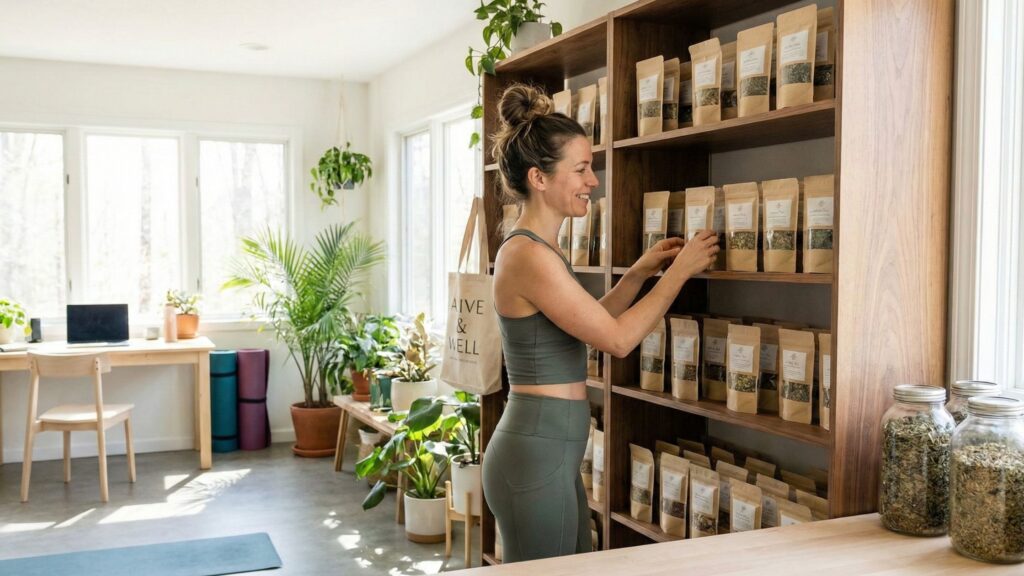
Terazi Life — United States
A functional wellness tea brand positioned around specific daily occasions. Shopify store and email marketing infrastructure
built to convert first-time buyers into subscribers.
Read Case Study
Ayurvedic Wellness
The market that combines the strongest cultural credibility signal in wellness with the fastest-growing consumer demand in Western markets. The Ayurvedic Blueprint covers product positioning, claims compliance, and the supplier network.
Fitness Supplements
Pre-workout, protein, performance, and the emerging GLP-1 companion category. DSHEA-compliant. No-MOQ supplier network. Built for US, UK, and EU markets.
TWO WAYS TO START
Two ways to start a tea dropshipping business. Choose the path that fits where you are.
Path 1 — DIY Tea Brand Blueprint Kit
A sequenced system for launching a tea brand.
Build your tea dropshipping brand yourself — with a sequenced system, not a blank page.
The Tea Brand Blueprint Kit includes: market research framework, brand strategy workbook, visual identity workflow (Canva + AI), Exoteas supplier setup guide, compliance checklists for US / EU / India, financial model and pricing calculator, 87-item Shopify launch checklist, and a 90-day marketing calendar with 50+ tea-specific AI prompts.
Instant download. 30 days of email and WhatsApp support included.
Path2 — DFY Tea Brand Kickstarter
For founders who want the brand built, not just the instructions.
The Done-For-You Kickstarter is for founders who have validated the idea, have the budget, and want to move fast without the learning curve. Brand Sewa handles strategy, brand identity, supplier integration, Shopify store, compliance, and launch marketing. You review. You approve. You launch.
We take one Done-For-You engagement per month. That is a capacity limit, not a sales tactic. If you are considering this path, get in touch early.
Common questions
What is tea dropshipping?
Tea dropshipping is an order fulfilment model where you sell branded tea products online without holding any inventory.
Your supplier stores, packs, and ships each order directly to your customer. You manage the brand and the marketing.Is tea dropshipping profitable in 2026?
Yes — gross margins on tea dropshipping typically range from 30% to 60%. Premium, white-label, and functional tea brands
achieve the higher end of that range. Profitability depends on your retail price positioning, customer acquisition cost, and platform and fulfilment fees.How do I start a tea dropshipping business?
The correct sequence is: choose a specific tea niche,
define your brand position, set up your white-label supplier,
build your brand identity, configure your Shopify store with compliant labelling, and launch with a 90-day marketing plan. Brand Sewa’s Tea Brand Blueprint Kit covers each step in sequence.Do I need to buy tea inventory upfront?
No. Tea dropshipping eliminates the upfront inventory requirement entirely. Your supplier fulfils orders on demand —
you pay the supplier cost per unit only when a customer places an order.Which tea dropshipping supplier should I use?
The right supplier depends on your target market, the tea range you want to offer, and whether you need white-label branding.
Brand Sewa works with Exoteas — 100+ white-label SKUs, no MOQ, direct Shopify integration, shipping to 100+ countries.Can I sell tea dropshipping products in the US, UK, and EU?
Yes — but each market has specific food labelling requirements.
FDA (US), EU FIC (Europe), and UK food labelling law each require different label declarations. The compliance module in the Tea Brand Blueprint Kit covers all three.What health claims can I make about tea products?
General wellness claims are permitted “may support sleep,” “associated with relaxation,” “supports digestive comfort.”
Drug or medical claims are not “treats insomnia,” “cures digestive disorders.” The exact permitted language varies by market and product category.How long does it take to launch a tea dropshipping store?
A basic tea dropshipping store can be set up in days.
A properly built tea brand strategy, identity, compliant labels, configured Shopify store, marketing infrastructure takes 30 days with Brand Sewa’s Done-For-You build, or 30–60 days self-paced with the Blueprint Kit.What is the difference between white-label and private-label tea dropshipping?
White-label: you apply your brand to an existing product formulation from the supplier’s catalogue. No minimum order, fastest to market.
Private-label: you develop a custom blend or formulation that only you sell. Requires higher minimum orders and a longer development timeline.
White-label is the correct starting point for most new tea dropshipping businesses. Private-label comes later, once you have validated what your market wants.
How much does it cost to start a tea dropshipping business?
The minimum viable cost breakdown:
- Shopify store (Basic plan): $39/month
- Tea Brand Blueprint Kit: from $97 (one-time)
- Exoteas setup (for non-Brand Sewa clients): $100 USD / ₹5,900 + GST (one-time)
- Domain: $10–$15/year
- Brand design (DIY via Canva): $0–$15/month
Total minimum to launch: under $300.
Done-For-You via Brand Sewa Kickstarter: from $799 USD.
Is tea a good product to dropship?
Tea is well suited to dropshipping for four reasons:
it is lightweight and easy to ship, shelf-stable with a long expiry window, a consumable with strong repeat purchase behaviour,
and a category where branding and positioning create significant price premiums. Tea fits perfectly into the 2026 zeitgeist: a health-driven, premium yet affordable indulgence that people enjoy repeatedly.
Dont know which way to begin ?
Whether you choose the DIY path or want us to build it for you — start with a free Brand Blueprint Session and get absolute clarity on your next step.
Tailored Plans for Every Vision & Budget
Every tea business is different — which is why Brand Sewa offers three structured packages. Choose the level that matches your ambition and where you are starting from.